Custom Software or Ready-Made? How to Choose for Your Company
Halas Tech Team
Every growing company reaches the point where Excel, paper files and WhatsApp groups stop being enough. Stock numbers don't match, monthly reports take days, and only one person knows where everything is. The next question is always the same: should we buy ready-made software, or have a system built for us?
There is no single right answer. Here is how to decide.
When ready-made software is the better choice
Ready-made (off-the-shelf) software works well when:
- Your process is standard. Basic accounting, email or a simple point of sale work much the same in most companies.
- You need to start this week. A ready-made tool can be running in days.
- Your budget is small and the need is simple. Paying a monthly fee for a proven tool is cheaper than building one.
If a ready-made product already does 90% of what you need, use it. We will tell you so if that is the case.
When custom software is worth it
Custom software makes sense when:
- Your process is what makes you competitive. If the way you handle orders, approvals, production or deliveries is different from everyone else, forcing it into generic software throws that advantage away.
- You are paying for several tools that don't talk to each other. Staff enter the same data in three places, and the numbers never agree.
- Ready-made tools don't fit local needs. Ethiopian tax and reporting requirements, local payment methods, Amharic for staff, or working when the internet drops are often missing from foreign products.
- You have outgrown workarounds. When the team spends more time fighting the software than using it, the "cheap" option has become expensive.
- You want to own the system. With custom software, the system and its data are yours. You decide what changes and when.
Questions to ask before you decide
- Write down your five most important daily processes. Does the ready-made tool handle each one the way you do it, or would you have to change how you work?
- How many people will use the system, and in which languages?
- Which other systems must it connect to?
- What happens when the internet goes down?
- Who will support it, and how quickly can you reach them?
A middle path: start small
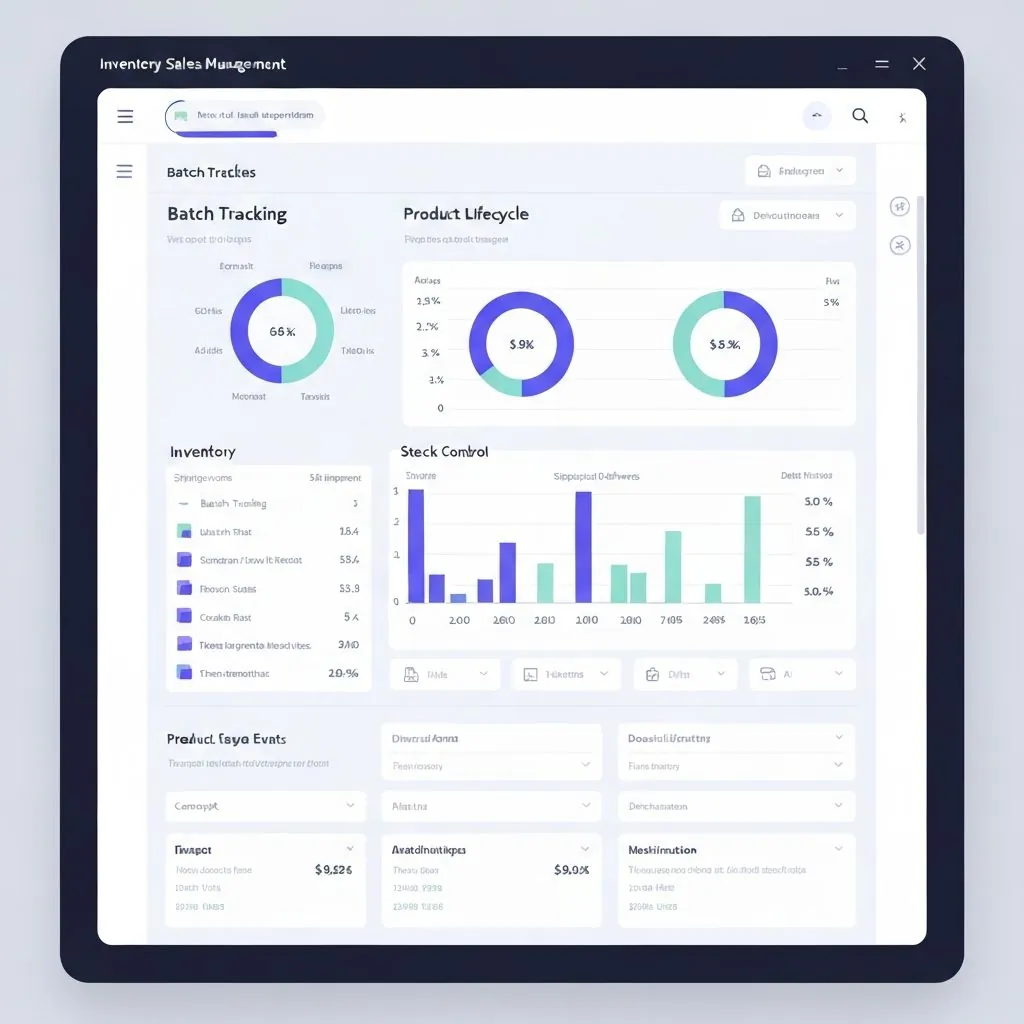
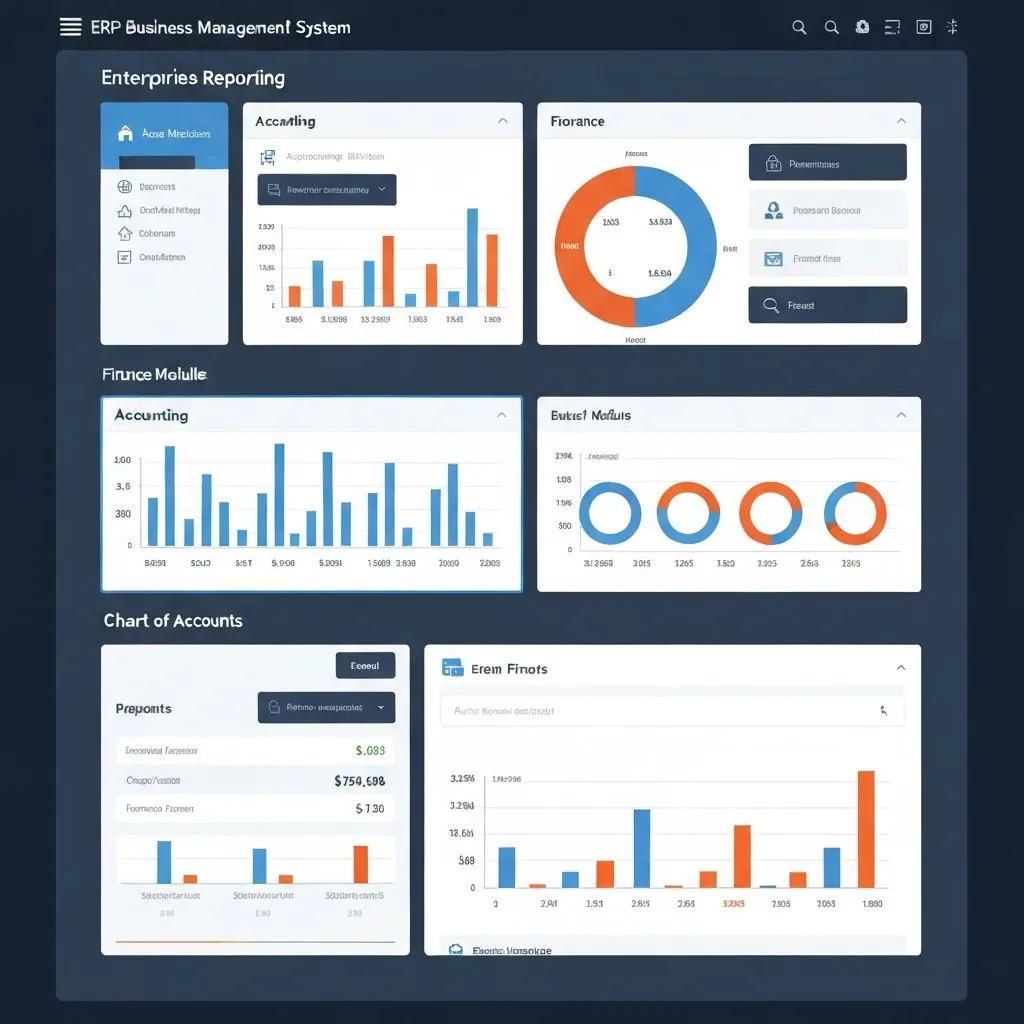
You don't have to build everything at once. Many of our clients start with the one process that hurts most, often inventory, finance or reporting, and add modules once the first part is working. That keeps the first investment small and lets your team get used to the system step by step.
How we approach it at Halas Tech
We start with a discovery session to understand how your company actually works. You then get a written scope, screen mock-ups, a timeline and a fixed price before development starts. We build in stages and show you working software every one to two weeks, so you can steer the project while changes are still easy. After launch, we train your staff and stay on hand for support.
Not sure which path is right for you? Tell us how your company works today and we will give you an honest recommendation, even if that means a ready-made tool.